


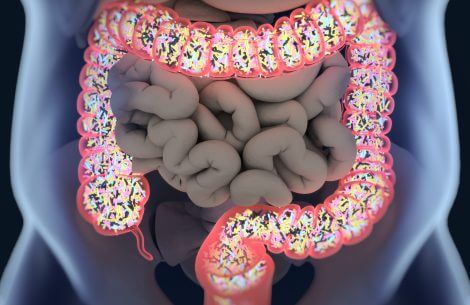
Western medical experts for decades downplayed the impact food and body functions had on the skin. These connections, though, have always been a part of other medical systems like Traditional Chinese Medicine and Ayurveda. However, new research has changed Western medicine’s view on this connection. Research is shining a light on the interplay between gut health and the health of the skin.
Gut-Skin Axis
The gut-skin axis according to researchers in a report on the U.S. National Library of Medicine website is the interconnection between the two and how they may influence one another. Interestingly, the stomach and the skin have several similarities. For example:
- Each has their own microbiome (microbial flora)
- Both defend the body against pathogens
- Nerves in both send and receive messages from the brain
- They send messages to other parts of the body
The researchers say because of the gut-skin axis digestion disorders can affect the skin. While the reason has not been thoroughly researched, the report suggests there are several mechanics in which the skin and gut interact. However, most research is focusing on gut microbiota. Gut microbiota are microbial organisms that live in the intestines and are necessary for health.
Gut microbiota are also referred to as gut flora. It’s estimated there are three trillion of these microorganisms with at least 1000 different species of bacteria and 3 million genes. While one-third of the microbiota is the same in most people, two-thirds are unique to every person. Scientists theorize that metabolites (products of metabolism) from diet and the microbiota affect the skin.
Gut-Brain-Skin Axis
Another theory that the gut-brain-skin axis can lead to skin issues is also being researched. This idea says anxiety and stress can cause intestinal permeability (leaky gut) that in turns creates inflammation which then leads to skin inflammation. Changes in the gut microbiota from alcohol and the typical Western diet can also be a cause of intestinal permeability according to researchers.
Intestinal permeability describes the condition when ordinarily tight cell junctions in the intestines become irritated and loosen allowing potentially harmful molecules from bacteria and undigested food particles to pass into the blood. The immune system interprets these substances as a foreign material which causes an antibody reaction. Cytokines antibodies notify the white blood cells to fight the particles which leads to oxidants and inflammation and onward to health issues. Intestinal permeability is thought to be behind several diseases.
Skin Conditions and Skin-Gut Axis
Here are a few conditions that are thought to be connected to the skin-gut axis.
- Acne Rosacea – A study showed that small intestine bacterial overgrowth (SIBO) is ten times more widespread in study’s participants with acne rosacea than the control group. Also, once the SIBO was treated, the rosacea improved.
- Celiac Disease – Dermatitis herpetiformis, an inflamed skin condition that is characterized by redness and water-filled blisters, is found more often in people with gluten intolerance (celiac disease). Also, those with celiac disease had more occurrences of mouth ulcers and vitiligo (patches of skin that lose pigment).
- Acne – Research suggests there is a link between gut-brain-skin axis and acne that was described above. Evidence also suggests gut microbes and the health of the gastrointestinal tract can be a factor in acne.
- Inflammatory Bowel Disease (IBD) and Psoriasis – Research indicates psoriasis and IBD have comparable disease-causing routes and starts with the gut microbiome. In both IBD and psoriasis, Saccharomyces cerevisiae (a type of yeast) were found to be less plentiful in the intestines.
- Seborrheic Dermatitis –Flaky skin that is oily is a hallmark of seborrheic dermatitis. A Chinese study and other research showed that people with seborrheic dermatitis had issues with their gut flora.
Improve Gut, Improve Skin
Diet is the main route to improving gut health and improving skin conditions. This means eliminating some foods that exacerbate digestion issues and adding foods that support gut health. But, research suggests that the microbial health of the gut can have a positive influence on skin health.
Probiotics not only improve gut health they also have been shown to improve skin conditions like eczema and acne. In two different studies, Lactobacillus rhamnosus improved eczema in children, and Lactobacillus rhamnosus SP1 helped people with acne.
Other research showed that probiotics held with:
- Dry Skin Issues – A study found a combination of probiotics and GOS (a prebiotic) improved dry skin.
- Sun-Damaged Skin – Laboratory studies showed that probiotics might help protect the sun-damaged skin including damage that could lead to skin cancer.
- Skin Homeostasis – Lactobacillus paracasei NCC2461 improved the skin’s immune system, reduced skin sensitivity, and reinforced the skin’s barrier performance which in improved homeostasis.
- Wound Healing – Probiotics in kefir helped wound from burn injuries to heal in a laboratory study. Extracts of the kefir were made into a gel and applied topically.
Probiotic Foods
Probiotics are available in supplements and are also found in many foods and drinks, such as:
- Yogurt – Be sure only to choose yogurt with active or cultures. Also, avoid yogurt with high amounts of sugar.
- Sauerkraut – To get the probiotic activity, buy only unpasteurized sauerkraut. Canned or other pasteurization methods kill the beneficial bacteria. Unpasteurized sauerkraut is sold in the refrigerated section of grocery stores. Check out making your own. There are simple and easy recipes for making it that don’t involve the longer traditional methods.
- Kefir – Kefir is basically drinkable yogurt, but made with kefir cultures. Besides being made from cow’s milk, it’s now made from goat, coconut, and other kinds of “milk.”
- Kimchi – This Korean type relish is made from cabbage but can also contain other vegetables. It can be eaten as a side dish or used to top other foods, such as eggs or mixed in a salad.
- Kombucha – This favorite Asian drink has also become very popular in the West in the last couple decades. It’s a fermented tea that comes in many flavors and can contain other beneficial ingredients like turmeric.
- Miso – This Japanese soy fermented food is sold in the refrigerator section. It’s known mostly as an ingredient in miso soup. However, it can be an ingredient in salad dressing and added to sautéed vegetables at the end of cooking (cooking can kill the beneficial bacteria).
Other fermented foods are pickles, buttermilk, fermented cheeses, natto, and tempeh.
While the link between internal health and the skin in Western medicine was mostly dismissed in the past, recent research shows how taking care of your gut can also improve your skin.
References:
- Bischoff, Stephan C. Intestinal permeability – a new target for disease prevention and therapy (November 18, 2014). Retrieved from https://www.ncbi.nlm.nih.gov/pmc/articles/PMC4253991/.
- Bowe, Whitney P., Logan Alan C. Acne vulgaris, probiotics and the gut-brian-skin axis – back to the future? (January 31, 2011). Retrieved from https://www.ncbi.nlm.nih.gov/pmc/articles/PMC3038963/.
- Eppinga H. Depletion of Saccharomyces cerevisiae in psoriasis patients, restored by Dimethylfumarate therapy (DMF) (May 9, 2017). Retrieved from https://www.ncbi.nlm.nih.gov/pubmed/28486503.
- How does skin work? (July 28, 2016). Retrieved from https://www.ncbi.nlm.nih.gov/pubmedhealth/PMH0072439/.
- Hussein HF, et al. Evaluation of wound healing activities of kefir products (August 2012). Retrieved from https://www.ncbi.nlm.nih.gov/pubmed/22237053.
- Karpati, S. Dermatitis herpetiformis (February 2012). Retrieved from https://www.ncbi.nlm.nih.gov/pubmed/22137227.
- Kresser, Chris, M.S., L.Ac. The gut-skin connection: how altered gut function affects the skin (October 19, 2012). Retrieved from https://chriskresser.com/the-gut-skin-connection-how-altered-gut-function-affects-the-skin/.
- Minich, Deanna, Dr. The Gut-Skin Axis: The Importance of Gut Health for Radiant Skin (August 4, 2017). Retrieved from http://deannaminich.com/the-gut-skin-axis-the-importance-of-gut-health-for-radiant-skin/.
- O’Neill, CA, et al. The gut-skin axis in health and disease: A paradigm with therapeutic implications (November 2016). Retrieved from https://www.ncbi.nlm.nih.gov/pubmed/?term=27554239.